Orlando Oral & Facial Surgery
The Benefits of Jaw Surgery
As doctors, we always weigh the risks and benefits of any procedure or medication therapy. One of the most significant procedures that we perform in our office is orthognathic surgery, more commonly known as “jaw surgery”.

Orthognathic surgery has the ability to enhance a patient’s life, giving him or her the comfort needed to eat properly and, often, the freedom from pain. Because the decision to have jaw surgery is such a serious one, we would like to take a moment to look at the positive side of the procedure in this blog, focusing on the benefits of orthognathic surgery:
- Pain Relief – There are several reasons that a person may experience jaw pain bad enough to warrant orthognathic surgery. They may have unnecessarily been causing excessive wear and tear in the joints over many years and living with constant inflammation. Correcting the alignment of the jaws through surgery is sometimes the only way to set the jaw back on the correct path, reducing strain and therefore pain. Another common scenario occurs with injury to the jaw, often from trauma caused by car and sports accidents. If the jaw is knocked too far out of place or suffers significant trauma, it may not heal on its own and may require resetting through a surgical procedure. These two situations represent occasions where the benefits of orthognathic surgery far outweigh the risks.
- Regular Eating Patterns – A misaligned jaw can make it difficult to chew and swallow, particularly if your teeth do not line up correctly. Often, braces are not enough to correct the alignment issues with the teeth and the jaw itself must be altered. Sometimes, patients don’t even know that they are working too hard to chew because they are used to it always having been that way. Once their bite is corrected through surgery, they are pleasantly surprised to find a significant enhancement in their quality of life.
- Better Overall Health – The health of your body starts in your mouth. Proper nutrition is key to everything from longevity to happiness. Whether your jaws are misaligned from injury or genetics – if your bite is significantly affected, your nutritional habits may be as well, and orthognathic surgery may be the best option for getting your health back on track.
On the Lookout for Oral Cancer
Oral cancer screenings are performed regularly at dental exams, but that doesn’t mean you shouldn’t be paying attention to your dental hygiene between appointments. Taking matters into your own hands is the best way to maintain your oral health. Not sure how to screen for oral cancer? We’ll show you!
What is oral pathology?
This branch of dentistry involves the evaluation and treatment of diseases of the mouth. The most dangerous, but not always the most obvious, of these diseases is oral cancer.
What should I look for?
Keep an eye out for these oral cancer symptoms during your self-screenings:
- Red or white patches in the mouth
- Lumps on the tongue or lining of the mouth
- Mouth sores that won’t heal
- Unexplained bleeding
- Chronic throat soreness
- Difficulty chewing or swallowing
- Mouth numbness
How do I perform an oral cancer self-exam?
- When performing your oral cancer self-screening, be sure to check all areas of the mouth, including the roof, floor, tongue, lips, cheeks and the back of your throat.
- Examine your face in the mirror for abnormal asymmetry and irregularities.
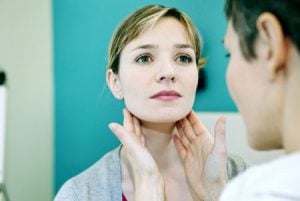
- Feel your neck and the back of your head with your fingers to look for any bumps or changes in texture.
- Examine your throat by placing your fingers around your thyroid cartilage (Adam’s apple) and swallowing.
How often should I perform a self-exam?
Self-exams should be performed at least once a month. Changes to your oral health can occur rapidly, so it’s important to stay on top of things. Treatment is most effective if we detect symptoms early.
Ask Orlando Oral & Facial Surgery about performing an oral cancer screening when you visit – we’re here to ease your mind and give you the tools you need to maintain your health
Get Checked, April is Oral Cancer Awareness Month!
Being that we are entering April, now is the time to be proactive and get yourself checked for oral cancer. According to the American Cancer Society, about 48,330 people will be diagnosed with oral cancer, and an estimated 9,570 people will die from oral cancer in 2016. In the spirit of April’s Oral Cancer Awareness, we urge you to receive regular oral cancer examinations. Remember—early detection saves lives!
Are you at risk?
The sad truth is that oral cancers are more than twice as common in men as in women, and the fastest growing group of oral cancer patients are young, healthy, nonsmoking individuals. It is more important than ever for young adults, as well as older men and women, to get regular screenings whether they think they’re at risk or not.

Knowing the risks can help you make educated decisions about your health. There are several risks that increase your chances of developing oral cancer:
• Smoking and using tobacco products have been a known long-term historic causes of oral cancer.
• Heavy alcohol usage also makes you more susceptible to develop oral cancer.
• The HPV virus, a sexually-transmitted disease, is the leading cause of oropharyngeal (the back part of the mouth) cancer.
What are the signs and symptoms?
The mouth is one of the body’s most crucial early warning signs in the fight against oral cancer. In between regular dental visits, it’s important to be aware of the mouth’s signs and symptoms. Remember, if you see any of these signs or symptoms, schedule an appointment at the office if you don’t see improvement within two-three weeks:
• Hoarseness, chronic sore throat, or change in voice.
• The development of white, red, or speckled (white and red) patches in the mouth.
• Lumps, thickening tissues, rough spots, crusty or eroded areas.
• Difficulty chewing or swallowing, speaking, or moving the jaw or tongue.
• A change in the way your teeth or dentures fit together when you close your mouth.
• Dramatic weight loss.
• Unexplained numbness, loss of feeling, or pain/tenderness in any area of the face, mouth, or neck.
• Unexplained bleeding in the mouth.
Don’t wait any longer. In the spirit of Oral Cancer Awareness Month, be proactive about your oral health, and get checked today, give Orlando Oral & Facial Surgery a call!
Oral Cancer Awareness
Has there ever been a moment in your life where you felt that you should be a part of something bigger than yourself? An organization, a charity, or a non-profit perhaps? Humans are born with the innate desire to help others, so it’s no wonder that we may feel the need to give back to the world in one way or another. And sometimes, it’s the simple acts that yield the most difference. This month you have the opportunity to get involved with a sweeping issue that goes unnoticed too often, and you may help save a life by doing it.
April is Oral Cancer Awareness Month and we need to stir up some conversation. Oral cancer awareness in the American public is extremely low, with very little acknowledgment of its devastating realities. According to the AAOMS, oral and pharyngeal cancer (cancer of the upper throat and mouth) collectively kills nearly one person of every hour of everyday of the year. Approximately 48,250 people in the US will be newly diagnosed with oral cancer this year. While smoking and tobacco use are still major risk factors, the fastest growing segment of oral cancer patients is healthy, young, nonsmoking individuals. We know this sounds scary, but the truth of the matter is that it is scary, and we need to confront the concern head on.
Awareness is so much more than just knowing about an issue, it’s also about collective, meaningful action. Share this information with your family, friends, and coworkers. Help educate those around you about the importance of regular self-exams and screenings. Oral cancer is not a new phenomenon, but with advancing technologies and the ability to rapidly share information, we can have a new approach. It is possible for fatalities to be avoided! As reported by the AAOMS, the death rate associated with oral and pharyngeal cancers remains particularly high due to the cancer being routinely discovered late in its development. This means our voice can carry the power to make a difference in the world of oral cancers.
April 10-16th is Oral, Head and Neck Cancer Week (OHANCAW).
A message from President Louis K. Rafetto, DMD, mentions that the AAOMS is joining a number of dental organizations in support of the Oral Cancer Foundation’s 17th annual observance this April. This designated week will encourage practitioners, patients and other interested individuals (like YOU) to promote head and neck cancer awareness through the use of public service announcements, news releases, talks at middle and high schools, walk-a-thons, and other community-based activities.
Modern Options for Bone Grafting Technology
Bones, grafting, or any combination of the two are rarely the subject of casual conversation. Most of us, regardless of our profession, are happier discussing recent football scores, the price of gasoline, or the abnormally high number of Dunkin Doughnut franchise locations. Perhaps for it is for this very reason, however, that we should bring up this important topic–to raise awareness, maximize modern technology, and inform the public about the options offered in terms of dental implant surgery.
Bone grafting for dental implants is the process by which bone tissue is placed (grafted) into the mouth to act as a placeholder for tissue that has been lost. In the modern medical landscape this is a safe, painless, and routine process: indeed, more than two million bone-grafting operations occur worldwide each year, making bone the second most transplanted organ (after blood!).

As well as natural bone tissue, synthetic tissue is an alternative for patients seeking the best results. Structured as a ‘biodegradable scaffold’ that can be implanted within the body and trigger bone regeneration, this strong, flexible material has been compared to tire rubber! Dr. Karin Hing, author of the study and reader in Biomedical Materials at Queen Mary’s University of London Institute of Bioengineering stated that the challenge being tackled currently is the development of a graft that is as clever as bone. By mechanically evaluating the way bone adapts to its environment and reacts to chemical and physical components, progress is taking place in leaps and bounds.
What does this mean for the average person who just wants to be happy with their mouth? Comfortable outpatient procedures complete with local anesthesia or intravenous sedation make bone grafting a sensible and worry-free choice. Browse Orlando Oral & Facial Surgery procedures page for more information on maximizing your resources!
Dental Implants: High Tech Teeth
What are dental implants? Dental implants are replacement tooth roots that provide a foundation for both fixed and removable replacement teeth. Like roots, dental implants are secured within the jawbone and not visible once surgically placed. Teeth replacement is not new to dental technology. Early civilizations practiced teeth replacements; archaeologists have discovered skulls where teeth have been replaced by cast iron and sea shells. Despite their primitive methods, some of these implants were fused with bone like modern dental implants! However, unlike the ancient cast iron or sea shell implants, modern implants are composed of titanium. Titanium is lightweight, strong, and biocompatible.

According to the American Academy of Implant Dentistry (AAID), dental implants have the highest success rate of any implanted surgical device — 98%. Dental implants are available in several designs that meet individual needs: single tooth replacement, multiple tooth replacement, implant supported prosthesis (removable), and an implant stabilized denture. Aside from meeting individual needs, there are a few other advantages to having dental implants:
- Improved appearance. Dental implants are designed to fuse with bone, and look and feel like your natural teeth.
- Improved comfort. Because dental implants become an extension of your natural mouth, implants remove the discomfort associated with removable dentures.
- Easier eating. Dental implants act as your natural teeth, allowing you to eat without the pain and discomfort that often accompany slipping of dentures.
- Improved self-esteem. Dental implants give your best natural smiling, helping build self-confidence!
- Improved oral health. Dental implants are the only proven way to prevent bone loss after the loss of natural teeth. The jawbone needs consistent chewing action to stimulate continual bone growth. Tooth/teeth replacement with dental implants offers a solution to prevent bone loss.
- With proper care, consistent brushing, flossing and routine dental visits, dental implants can last 40-years to life.
If you are interested in dental implants, or have any questions regarding the procedure, call Orlando Oral & Facial Surgery at Winter Park Office Phone Number 407-629-4444 today!
How to Check Yourself for Oral Cancer
Oral cancer is serious business. The good news is that you can do something about it. Regular self-examinations may help you pick up on warning signs in time to act on them. Oral health professionals are experts on mouths, but the only expert on you is YOU. If you notice something strange going on in your mouth, contacting a professional at our office is your best mode of action.
The first and most important thing to remember is oral cancer is often painless! The second rule to remember is that if you aren’t sure, ask! Its better to ask now and be sure than to wish you had asked. There are no dumb questions when it comes to looking for oral cancer. And, most importantly: any suspicious area that doesn’t resolve on its own in 14 days should be checked out ASAP.
The key to eliminating oral cancer is to act on it early. Here are some things to check regularly.
Your Tongue
Look for lumps and bumps on the upper and lower surfaces of your tongue. Feel around for odd textures, bumps, discoloration or swelling. Place the tip of your tongue on the roof of your mouth to peek underneath. Don’t limit your search to the red flags above. Use your fingers and your vision.
Your Cheeks
Gently feel your cheeks for bumps and swelling. You can do this by placing your finger on the interior and your thumb outside your cheek. Lightly squeeze and feel around for anomalies.
Your Lips
Take a good look at the interior of your lips with a hand mirror. Keep an eye out for the same signs. Lips are harder to be sure about because they are constantly drying, wetting, and being scraped as we eat and speak. Nonetheless, lips are prone to cancer given that they re always exposed to sunlight. Better safe than sorry.
Your Head/Neck Area
Closely examine your head and neck for lumps and protrusions. A bump or lack of uniformity is absolutely worth checking out. Ask us at your next visit to check out your throat too. Keep an eye out for sensitivity and soreness.
With oral cancer, the key is to keep your eye out for anything out of the ordinary. Anything that seems strange is worth noting and calling our office about.
Call us today for a check up!
Dental Implants: FAQ
Dental implants are becoming more and more popular these days, and we can see why. The ability to replace a missing tooth with a brand new one is an attractive concept.

We know that people often have questions about implants, so we have put together this page to answer those common questions:
What is a dental implant?
Implants are artificial teeth that function exactly like your natural teeth. We take a titanium screw, attach it to your jaw, allow the jaw to grow around the screw, and then fit the new tooth in right where the old one used to be. It will feel exactly like your old tooth used to when you had it.
How quick is the procedure?
It depends on just how strong and healthy your jaw is. Your jaw may very well be ready to receive the new tooth quickly, but it may also take time to grow around the screw. If your jaw is weak, we can also transplant bone from other parts of your body first, via another procedure called “bone grafting”, to grow a fresh, strong base where the screw can be inserted. If that is the case, the whole process takes more time, but again, it depends on your case.
Does it hurt?
No. Medications and anesthesia are available to reduce or eliminate pain. You shouldn’t feel a thing.
Since it’s an artificial tooth, do I need to care for it as if it were alive?
You should clean and maintain your implant exactly like you do with your living teeth. Though the implant isn’t going to die, it can still allow bacteria to build up, like your other teeth do. Clean all of your teeth with care, and they should all stay healthy.
How long do they last?
If your implant is taken good care of, it should last a long, long time. Perhaps 40 years and sometimes even a lifetime!
What should I eat after the procedure?
Eat soft food. We will help you decide on a diet that works for you depending on the specifics of your case and treatment.
Have more questions? Call us! We would be glad to set up an evaluation.
The Miracle of Bone Grafting
Bone grafting is something of a miracle. Although you only get one set of bones, it’s actually possible to convince your body to repair itself with new bone material where you need it most. We aren’t talking about growing a whole femur. We’re talking about growing just enough bone material to strengthen weak spots in your jaw.

Why would I ever need this?
Let’s say you need a dental implant. You’re sick of that hole in your mouth where one of your teeth used to be, and you’re ready for a shiny new tooth to fill the gap. The problem is, your bone just isn’t strong enough to support the implant. Maybe you have periodontal disease, and the jaw bone is just too weak. Bone grafting may be necessary.
How does it work?
Simply put, bone grafting is the process of taking a little bone material from another site in your body and placing it where it is most needed. The healthy bone then fuses with the weak bone and encourages your body to grow more bone in the site, rebuilding the area to the point where it can support an implant.
There are a few ways to do this.
Sophisticated sounding terms to impress your friends:
Autogenous bone graft – Bone is removed from another site in your body and transplanted to where you need it. If you need just a little bone, it can be taken from another site in your mouth. But if there is not enough good material in your mouth, or you need a sizeable amount, it can be taken from your hip, or your shin.
Allograft – Synthetic bone can be grown in a lab, or taken from a cadaver bone. This is a perfectly safe, proven procedure, though your best bet is always your own bone material. Your body knows there’s just no place like home.
Xenograft – Cow bone. Yes. Your body will accept cow bone. In this scenario, no secondary donor site is needed, so it may be a great option if you are uncomfortable with having bone taken from another site in your body. This is a perfectly safe procedure. Your jaw can be beefed up with bovine bone.
No online article will let you know for sure whether or not you need bone grafting, but it is good to know something about it. Give us a call and come on down for a consultation, and we’ll let you know exactly what we think the best option is for you.
What is Orthognathic Surgery?
Orthognathic surgery is a procedure, or set of procedures, that make corrections to the jaw. The jaw serves many functions. It isn’t just for chewing. A healthy jaw also plays an important role in your speech, ability to sleep well, as well as maintain a proper bite, airflow, and facial symmetry.
Your jaw can be misaligned for a number of reasons. Perhaps you suffered an injury that wasn’t corrected properly. Maybe things just grew that way. It may very well be that a slight misalignment is no issue, but it’s worth giving us a call to find out just how severe your misalignment is, and what it means for your health.
Reasons to ask about jaw surgery:
Unexplained Pain
Sometimes, unexplained pain elsewhere in the body is caused by the activities of your jaws. Your headaches and even neck pain may be the result of excessive pressure in your jaw due to grinding or bite issues.
Air Flow
The position of your jaw can also restrict air flow while you sleep. Misaligned jaws are a common cause of sleep apnea. It could very well be that your fatigue and stamina issues stem from a misaligned jaw.
Mechanical Problems
If you have trouble chewing, meeting your lips together or can see a visible imbalance in your appearance, it may be that you have jaw misalignment issues that can be corrected with surgery. It is also worth noting that a great deal of jaw issues cannot be detected by looking in the mirror, but we think it’s a good place to start.
A Common Treatment Plan:
Your treatment plan will depend on your needs, but for a major jaw correction we often start with braces to move teeth into a better position, and then surgically correct the position of your jaw. This happens after a consensus is made between your family dentist, a maxillofacial surgeon an orthodontist and yourself.
Surgery is done under anesthesia, so you won’t feel a thing while the procedure occurs.
Afterward, you’ll be given a schedule to modify your diet, activity, and be given medication so as to heal as soon as possible
Contact us for a consultation to see if corrective jaw surgery is for you!